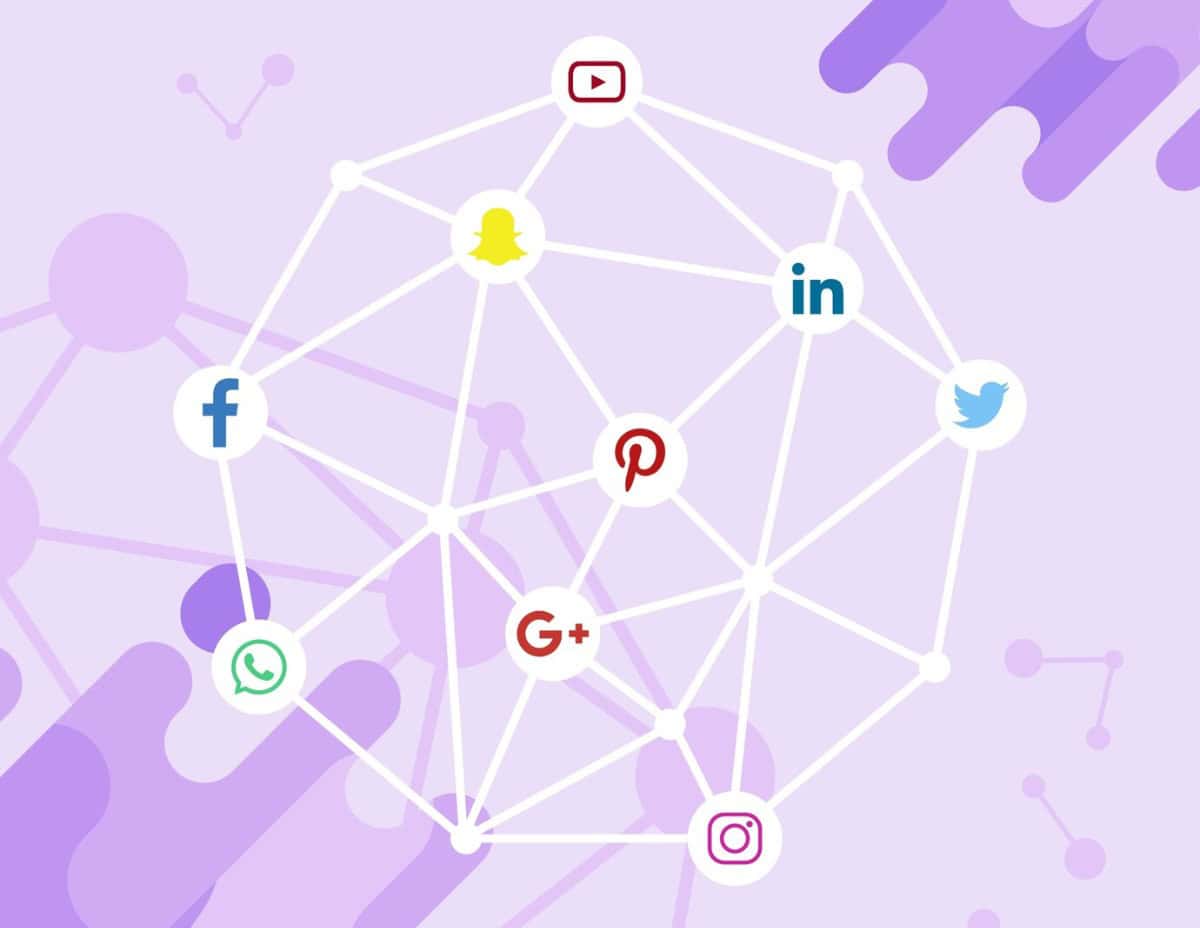

Think of your business as a stall in a busy marketplace. To attract customers, you need more than just a spruiker, sign or bright lights. You need to communicate with your customers and be present in different ways and places.
Multi-channel marketing helps you connect with people across various platforms, making it easier for them to find and engage with your brand, and help boost your business’s visibility and drive sales. Here are five ways you can create a powerful multi-channel marketing strategy.
Key Takeaways: Multi-Channel Marketing Benefits
Multi-channel marketing helps businesses connect with more people and increase visibility.
Using the same branding and messaging across all channels builds trust with customers.
Analysing customer behaviour helps businesses refine their marketing efforts for better results.
1. Create a strong LinkedIn presence
Why it’s important
LinkedIn is the go-to platform for professionals. With millions of users, it’s a great place to connect with potential customers and industry leaders. Having a strong presence on LinkedIn helps you build relationships and generate valuable leads.
How to do this
Optimise your profile
Make sure your LinkedIn profile has a clear photo, a strong headline, and a summary that shows what you do. Spend time each week (half an hour should do) updating your LinkedIn profile by commenting and sharing posts. This helps you appear active and stay on top of what your connections are up to.
Share valuable content
Post articles or updates that are relevant to your industry that are interesting and helpful. This keeps your network engaged and positions you as someone knowledgeable. Set a goal to engage with a certain number of industry professionals each month (even if they are existing contacts – they don’t necessarily need to be new ones). And. Stick. To. It!
Engage with your network
Comment on posts, join discussions, and participate in relevant industry groups to expand your connections. Join a LinkedIn group related to your field and try to contribute to the groups discussions on a weekly basis. It will help you connect more deeply with likeminded professionals, and you may even learn a thing or two.
It may also help to allow space in each month, such as one or two posts on LinkedIn, to focus on trending topics or events. This helps you stay in the know and shows you have an interest in what may impact your industry or the wider community. In other words, you’re able to contribute to the discussion at the proverbial watercooler.
2. Use supporting touchpoints
Why it’s important
Supporting touchpoints are the different ways customers can interact with your brand, such as:
social media
email
websites, and
physical stores.
Consistent messaging across these channels helps build trust and improves the customer experience.
How to do this
Synchronise campaigns
Share promotional messages across all your channels at the same time. This helps you communicate with all of your customers or customers with the same messaging at the same time. To do this, you could create a content calendar that outlines when and where you will share campaigns. Proper planning prevents poor performance.
Create cohesive branding
Keep your visuals and messaging consistent across all platforms. Use design guides for social media posts and emails to keep branding consistent. It looks professional and trustworthy to users. Canva is a great tool for establishing templates for future use.
Monitor customer interactions
Use analytics tools, such as Qualtrics, to see how customers engage with different touchpoints. Review customer feedback as soon as it comes in from your channels to find areas for improvement. Also, connect with your customers and ask them to share their opinions on how you can serve them better.
3. Focus on email remarketing and nurturing
Why it’s important
Email is one of the best ways to nurture leads at scale. Send targeted emails to people who have shown interest with your business, but haven’t converted yet. This can give them a gentle nudge to take next step – such as booking time for a sales call.
How to do this
Segment your audience
Divide your email list based on customer behaviours or interests. We suggest creating at least three audience segments based on user behaviour (such as past purchases). This way you can easily send customised messages that speak to these segmented individuals interests or desires.
Craft compelling content
Develop automated emails for these segments. Make sure the emails provide value, such as a link to download a free eBook or discount code, and encourage engagement from the message recipient, like a performance rating survey asking how they would rate your service.
Write attention grabbing subject lines and include useful content that meets the needs of your audience. Consider using a copywriter or conversation designer for this. Their expertise can be a gamechanger when it comes to accurately communicating with customers.
Automate follow-ups
To save time, set up automated follow-up email responses to your nurtured leads. Monitor open rates and click-through rates every month and adjust your email strategy where needed. When you have a response from a nurtured lead, let your sales team take control of the conversation.
4. Engage with your audience through social media
Why it’s important
Social media is essential for building brand awareness and connecting with your community. It offers a direct communication line with your customers, which can strengthen relationships.
How to do this
Create platform-specific content
Alter your content for each social media platform. For example, use Instagram and TikTok for videos or photos, use LinkedIn for thought-leadership captions or posts. Schedule regular posts across all social media platforms using tools such as Buffer.
Encourage user interaction
Most people love sharing their opinions. Ask questions or create polls to engage with your audience. Host monthly Q&A sessions or live streams on your Instagram or LinkedIn to interact directly with followers.
Monitor trends
Things move at lightning speed in the digital world. It’s important to stay updated on social media trends so your content remains relevant. Track engagement metrics (likes, shares, comments) weekly to see what content resonates most with your audience.
5. Build for the long-term using data
Why it’s important
Data-driven marketing involves using analytics to inform decisions about your strategies. Understanding customer behaviour through data can help you improve your service continuously.
How to do this
Invest in quality analytics tools
Google Analyticsor HubSpot can effectively track user interactions across channels. Set up monthly reviews of your analytics data to assess performance across all channels. Then, adjust your communication strategies accordingly.
Review performance metrics
Check which channels drive the most engagement and conversions. Identify key performance indicators (KPIs) relevant to each channel – such as conversion rates. This can be done monthly, but weekly is great as well, especially if you’re focussing on LinkedIn conversions.
Adjust strategies accordingly
Nothing’s worse than a business opposed to change. Be flexible in changing your marketing strategies based on what your data tells you – with a sprinkling of intuition, of course. Test different strategies based on these insights and adjust as needed for ongoing optimised performance.
Let’s bring everything together
Multi-channel marketing can truly help your business stand out. But only if it’s done well. If you need help navigating this landscape, consider partnering with Higher Ranking. Contact us today to learn how we can support your growth!
Maximizing Business Growth Through Multi-Channel Marketing
Multi-channel marketing is a powerful strategy that enables businesses to reach their target audiences across various platforms. By integrating multiple channels, companies can enhance their visibility, engage effectively with customers, and ultimately drive sales. This approach allows for a cohesive marketing effort that resonates with consumers who interact with brands in diverse ways.
For instance, a business can utilize social media, email, and its website to create a seamless experience for customers. Each channel serves a unique purpose, whether it's brand awareness through social media ads or personalized communication via targeted email campaigns. By maximizing these touchpoints, businesses can create a comprehensive marketing strategy that caters to the preferences of their audience.
Integrating Multi-Channel Strategies for Optimal Results
To truly benefit from multi-channel marketing, businesses must integrate their strategies across all platforms. This means ensuring that messaging is consistent and that customer experiences are synchronized. When customers receive the same message across different channels, it reinforces brand recognition and trust.
An effective way to achieve this integration is by developing a unified content calendar that outlines campaigns across all platforms. This not only helps in maintaining consistency but also allows for better tracking of performance metrics. For example, a company might plan a product launch that is promoted on social media, followed by email reminders, and culminates in a dedicated landing page on their website.
Understanding Your Audience Through Data Analysis
Data analysis plays a crucial role in multi-channel marketing, as it helps businesses understand their audience better. By analyzing customer interactions across different channels, companies can identify patterns and preferences that inform their marketing strategies. This insight allows for more targeted and effective campaigns.
Future Trends in Multi-Channel Marketing
The landscape of multi-channel marketing is constantly evolving, and staying ahead of trends is essential for businesses aiming for success. Emerging technologies, such as artificial intelligence and machine learning, are increasingly being integrated into marketing strategies to enhance personalization and customer engagement.
As consumers become more tech-savvy, businesses must adapt by leveraging these advancements. For instance, AI-driven chatbots can provide instant customer support across multiple platforms, improving user experience. Staying informed about these trends and incorporating them into marketing strategies will help businesses maintain a competitive edge in the marketplace.
customer, market, telemarketing, advertising, customer relationship management, brand, online advertising, search engine optimization, customer experience, email marketing, research, marketing mix, sales, search engine, email, marketing communications, information, data, search engine marketing, advertising campaign, consumer, management, target audience, brand awareness, capital, point of sale, product, experience, internet, google ads, distribution, digital marketing, education, consumer behaviour, trade, guerrilla marketing, technology, analytics, direct marketing, brand loyalty, strategy, tiktok, concept, content marketing, goal, relationship marketing, market segmentation, definition, target market, marketing channel, radio, profit, software, goods, tool, database marketing, website, salesforce, seo marketing, seo, marketing seo, return on investment, american marketing association, retail, organization, artificial intelligence, design, business marketing, creativity, social media, affiliate marketing, viral marketing, english language, understanding, native advertising, loyalty, demand, sustainability, competition, sales promotion, philip kotler, generation z, message, hubspot, graduate certificate, targeted advertising, revenue, cold calling, podcast, content creation, customer satisfaction, investment, leadership, coupon, credit, price, ethics, billboard, image, market research, vocational education, culture, university, storytelling, feedback, newspaper, logistics, lecture, word of mouth, forbes, supply chain, influencer marketing, mathematics, infographic, united states, product placement, mind, brand management, word, competitive advantage, asset, omnichannel, email address, data collection, chief marketing officer, database, newsletter, energy, policy, entrepreneurship, business, digital display advertising, reputation, videomarketing, contentmarketing, 4 p marketing, marketing omnichannel, ceo marketing, budget marketing, mediamarketing, 5p marketing, mkt online, marketing automation, lead generation, marketing, community, earned media, automation, search engine results page, marketing strategy, mobile app, knowledge, digital transformation, insurance, digital media, mobile marketing, lead, learning, attention, budget, personalization, video, dashboard, customer engagement, content strategy, digital marketing campaign, online, digital marketing agency, seo marketing digital, marketing digital e commerce, ecommerce marketing digital, b2b marketing digital, seo mkt, google analytics, landing page, value proposition, landscape, skill, online and offline, australian tertiary admission rank, smartphone, multichannel marketing, tertiary education, information privacy, data analysis, marketplace, language, customer service, hashtag, web page, gender, visibility, conversion rate optimization, fee, shopping, web banner, bias, economy, proposition, measurement, social media analytics, social media marketing digital, marketing digital social media, online marketing digital, manager marketing digital, science, environmental science, materials science, methodology, sustainable development goals, computer science, leads, economics, statistics, architecture, chemistry, europe, art, finance, times higher education, civil engineering, sustainable development, built environment, mechanical engineering, united nations, physics, pharmacy, health, medicine, asia, confidence, phrase, economic growth, governance, nanotechnology, agriculture, cwts leiden ranking, econometrics, history, computer, latin, results, join, content, english, frequently asked questions, higher education, rankings, university rankings, electronic engineering, algorithm, law, geography, data science, remote sensing, search algorithm
Frequently Asked Questions
What is the primary goal of digital marketing?
The primary goal of digital marketing is to connect businesses with their target audience through various online channels, ultimately driving engagement, increasing brand awareness, and generating leads or sales.
What is the importance of SEO in digital marketing?
The importance of SEO in digital marketing lies in its ability to enhance online visibility, driving organic traffic to websites. By optimising content for search engines, businesses can reach their target audience more effectively and improve conversion rates.
How does content marketing drive sales?
Content marketing drives sales by creating valuable, relevant content that attracts and engages potential customers. This builds trust, nurtures relationships, and guides prospects through the sales funnel, ultimately leading to increased conversions and sales growth.
What is the role of AI in digital marketing?
The role of AI in digital marketing is to enhance data analysis, automate processes, and personalise customer experiences, ultimately improving lead generation and marketing effectiveness. AI tools facilitate targeted campaigns by leveraging insights from consumer behaviour and market trends.
What strategies enhance digital marketing effectiveness?
Strategies that enhance digital marketing effectiveness include leveraging data analytics for targeted campaigns, using SEO to improve visibility, and integrating automation tools like those from Higher Ranking to streamline processes and maximise human sales expertise.
How can SEO improve online visibility?
SEO improves online visibility by optimising your website for search engines, leading to higher rankings in search results. This increased visibility attracts more organic traffic, enhancing your chances of reaching potential customers effectively.
What trends shape digital marketing today?
The trends that shape digital marketing today include increased personalisation, the rise of artificial intelligence, an emphasis on video content, and the growing importance of data privacy. These elements are crucial for targeting audiences effectively.
How does content quality influence sales?
The influence of content quality on sales is significant. High-quality content engages potential customers, builds trust, and drives conversions by clearly addressing their needs and pain points, ultimately leading to increased revenue for businesses.
What metrics measure digital marketing success?
The metrics that measure digital marketing success include website traffic, conversion rates, customer acquisition cost, return on investment (ROI), and engagement levels across various channels. These indicators help evaluate the effectiveness of marketing strategies.
What tools assist in digital marketing automation?
Tools that assist in digital marketing automation include customer relationship management (CRM) systems, email marketing platforms, social media management tools, and analytics software, all of which streamline marketing efforts and enhance lead generation capabilities.
How to optimise SEO for better ranking?
Optimising SEO for better ranking involves using relevant keywords, improving site speed, enhancing user experience, and creating high-quality content that engages visitors. Regularly updating your site and building backlinks are also essential for sustained ranking improvements.
What role does data play in marketing?
The role of data in marketing is crucial, as it enables businesses to understand customer behaviour, tailor campaigns, and measure success effectively. By leveraging data, marketers can optimise strategies to enhance engagement and drive conversions.
Why is user experience vital for digital marketing?
User experience is vital for digital marketing because it directly influences customer satisfaction, engagement, and conversion rates. A seamless and intuitive user experience encourages users to interact with content, fostering trust and loyalty towards the brand.
How can AI personalise marketing campaigns?
AI can personalise marketing campaigns by analysing consumer behaviour, preferences, and engagement patterns, enabling businesses to deliver tailored content, recommendations, and timely messages that enhance customer experience and drive conversions.
What is the impact of social media on sales?
The impact of social media on sales is significant, as it enhances brand visibility, fosters customer engagement, and drives lead generation, ultimately leading to increased sales opportunities and a deeper connection with potential clients.
How do video ads boost engagement?
Video ads boost engagement by capturing attention more effectively than static content, leveraging visuals and sound to convey messages quickly, and creating an emotional connection with viewers, ultimately driving higher interaction rates and conversions.
What are best practices for content development?
Best practices for content development include conducting thorough research, understanding your audience, creating a clear content strategy, maintaining consistency in messaging, and utilising SEO techniques to enhance visibility and engagement across platforms.
How can analytics inform marketing strategies?
Analytics can significantly inform marketing strategies by providing insights into customer behaviour, campaign performance, and market trends. This data enables businesses to tailor their approaches, optimise efforts, and enhance overall marketing effectiveness.
What types of content attract customers?
The types of content that attract customers include informative blog posts, engaging videos, interactive infographics, and compelling case studies. These formats effectively demonstrate value, educate the audience, and enhance brand credibility, driving customer interest and engagement.
How to integrate SEO with digital marketing?
Integrating SEO with digital marketing involves aligning your content strategy, optimising website structure, and utilising keywords to boost organic traffic, while coordinating campaigns across social media and email to enhance visibility and engagement.
What are common SEO mistakes to avoid?
Common SEO mistakes to avoid include neglecting keyword research, overusing keywords (keyword stuffing), ignoring mobile optimisation, and failing to create quality content. Additionally, not measuring your SEO performance and overlooking backlinks can hinder your website's visibility.
How does mobile optimisation affect digital marketing?
Mobile optimisation significantly impacts digital marketing by enhancing user experience, improving search engine rankings, and increasing conversion rates. A mobile-friendly site ensures that businesses reach their audience effectively on various devices, leading to better engagement and sales.
What is the significance of call-to-action buttons?
The significance of call-to-action buttons lies in their ability to guide users towards desired actions, such as booking a demo or signing up for a newsletter, thereby enhancing engagement and driving conversions effectively.
How can email campaigns drive customer retention?
Email campaigns can drive customer retention by offering personalised content, exclusive promotions, and consistent communication that nurtures relationships, keeping your brand top of mind and encouraging repeat purchases.
What challenges exist in digital marketing today?
The challenges that exist in digital marketing today include intense competition, rapidly changing algorithms, data privacy regulations, and the need for effective integration of technology with human expertise to build meaningful customer relationships.
How do keywords influence search rankings?
Keywords play a crucial role in influencing search rankings as they help search engines understand the content's relevance to user queries. Proper keyword integration improves visibility and can enhance a website's position in search results.
What is the future of digital marketing strategies?
The future of digital marketing strategies lies in the integration of advanced technologies like AI and automation with personalised human interaction, enhancing lead generation and customer engagement for better marketing outcomes.
How can A/B testing improve marketing outcomes?
A/B testing can significantly enhance marketing outcomes by allowing businesses to compare two variations of a campaign element. This process identifies which version resonates better with the audience, leading to improved engagement, higher conversion rates, and optimized marketing strategies.
What role does visual content play in engagement?
The role of visual content in engagement is significant: it captures attention, conveys information quickly, and enhances user interaction, making messages more memorable and persuasive.
How can brands leverage influencer partnerships?
Brands can leverage influencer partnerships by collaborating with relevant influencers to enhance brand visibility, build credibility, and engage target audiences effectively. These partnerships facilitate authentic connections, driving conversions and boosting overall marketing efforts.
higher ranking, seo, digital marketing recruiters, b2b marketing agency melbourne, lead generation marketing agency, lead generation agency, lead generation melbourne